How Matthew Hayman’s Improbable Win 10 Years Ago Killed the Roubaix Bike—Sort of
BRR Analysis
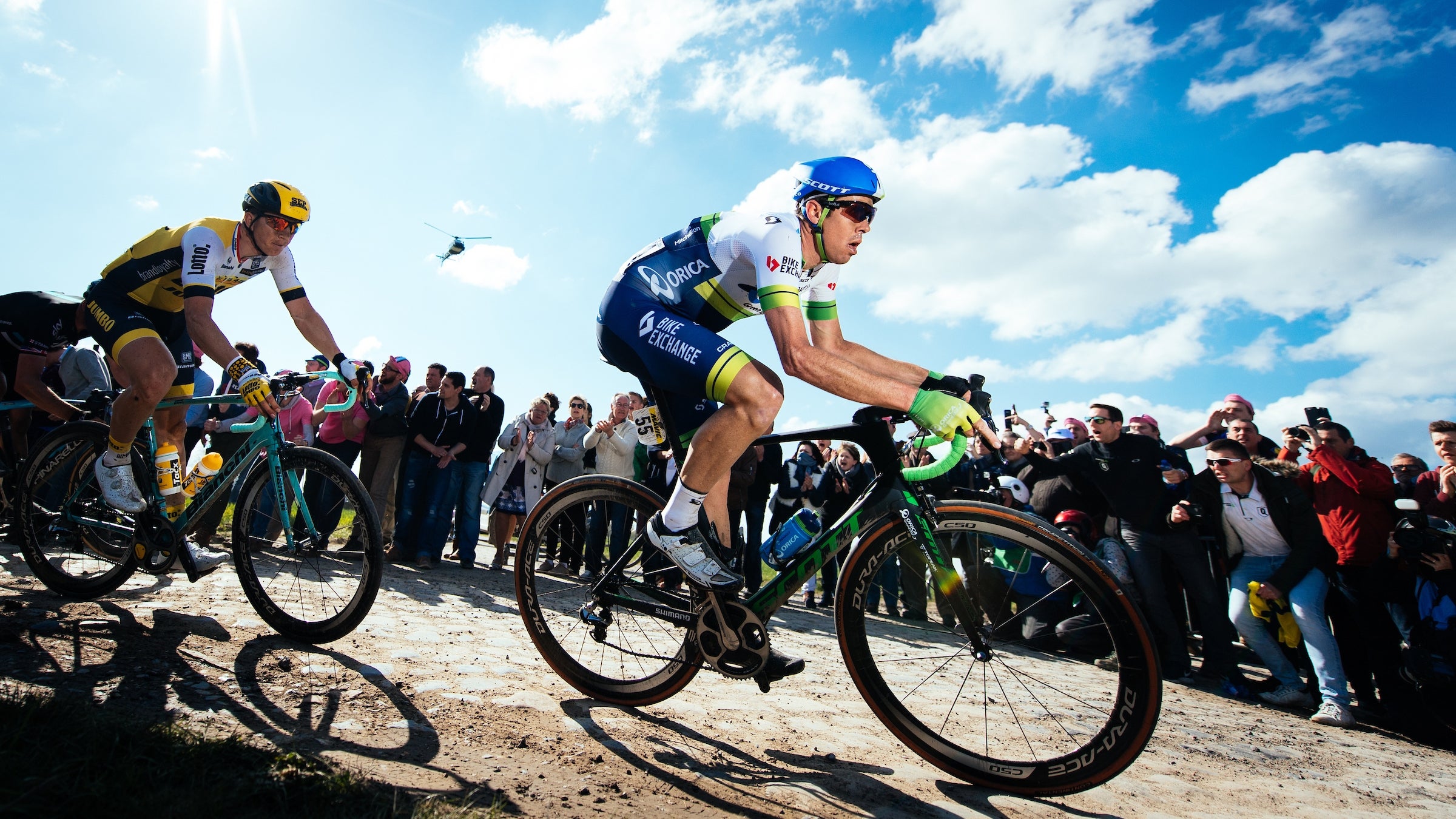
Matthew Hayman's improbable victory at Paris-Roubaix in 2016 aboard an aero Canyon Aeroad, rather than a traditionally more compliant endurance model, has been highlighted as a pivotal moment in Roubaix bike design. His win, achieved after a gruelling 257.5km race and a final sprint against Tom Boonen, effectively signalled a shift away from bespoke, comfort-focused frames towards more aerodynamic, all-rounder machines, forcing manufacturers to rethink their cobble-specific offerings.
This paradigm shift is significant because, for decades, Roubaix was the proving ground for heavily modified, often custom-built bikes designed purely for survival and damping over the brutal pavé. Hayman's success with a bike prioritising speed and stiffness, equipped with slightly wider tyres and lower pressures, demonstrated that aerodynamic efficiency could trump traditional comfort on the cobbles. It ushered in an era where teams and manufacturers began optimising existing aero platforms for the Hell of the North, rather than developing entirely separate "Roubaix bikes."
So, the dedicated Roubaix bike, in its traditional sense, is indeed an endangered species. Hayman didn't just win a bike race; he inadvertently rewrote the engineering brief for cycling's most demanding one-day classic.
Never miss a story
Essential 2026 Guides
More from this section

- Outside line: Why Isla Short chose to build her own programEscape Collective12h ago
- Tour de Romandie past winnersCyclingNews13h ago